
Memory, Identity, and Perfect Recall
The Reincarnationist PapersThe novel explores how uninterrupted memory can preserve a self across deaths while making forgetfulness, emotional release, and ordinary identity difficult to recover.
increasing Bearing strength in each event
 decreasing
Bearing strength in each eventdecreasingRemembering Everything
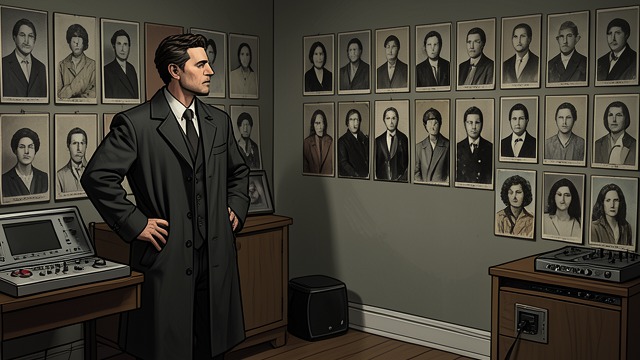
Remembering Everything
A gift with a cost
Evan says he remembers everything that has happened to him, including memories belonging to earlier lives. This continuity seems to offer wisdom but denies him the ordinary relief of forgetting.
Pain remains immediate
A past injury or loss can return with the same clarity as a current event. Evan’s knowledge therefore does not automatically bring comfort or hope.
Identity made cumulative
His sense of self includes more than one family and one body. Perfect recall creates a person shaped by layers of experience rather than by a single lifetime.
Lives as One Timeline
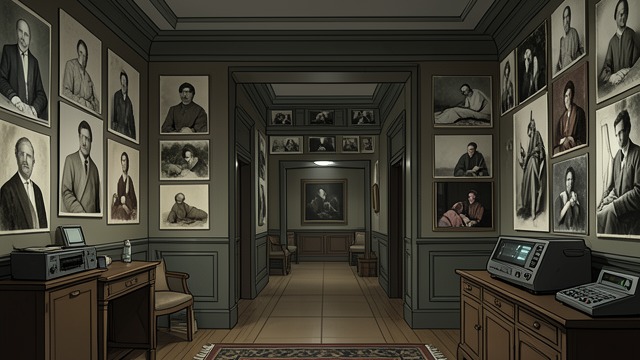
Lives as One Timeline
A different account of self
Poppy says she was the people named on the plaques rather than a separate observer who merely remembers them. The distinction unsettles Evan, who has thought of earlier lives as precursors to his present self.
A continuous person imagined
The plaques make succession visible, linking names and dates in one life after another. They suggest that physical bodies end while an identity remains continuous.
Evan’s perspective shifts
He begins to reconsider whether Vasili and Bobby are former people he recalls or earlier forms of himself. The new view changes the meaning of his history without resolving its metaphysical explanation.
The Intermission
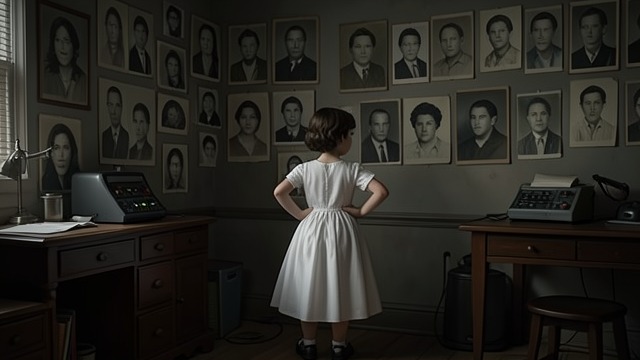
The Intermission
A pause before the past
The Cognomina describes an amnesic interval in each new life before memories return. Childhood can therefore begin without immediate awareness of earlier identities.
Innocence has an ending
Poppy values this pause because it allows a returning person to feel free for a time. The later Change brings back memories and responsibilities that the child could not have anticipated.
Continuity through interruption
The pattern suggests that identity persists even when it is temporarily inaccessible. The novel treats forgetting not as proof that nothing continues but as one phase in the experience of returning.
The Death Between Lives
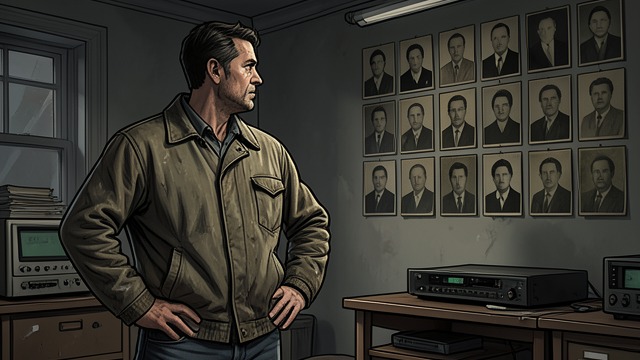
The Death Between Lives
No remembered interval
Evan says he recalls nothing between one death and the next birth. Samas treats that absence as evidence that there is no experienced judgment or revelation between lives.
A limit to certainty
The group knows that members return, but it does not know what happens to ordinary people or whether another form of afterlife exists for them. The members’ experience answers some questions while leaving others open.
Knowledge without omniscience
The novel distinguishes certainty about personal memory from certainty about the universe. Remembering several lives changes the characters’ beliefs without giving them complete access to what death means.
A Self That Continues
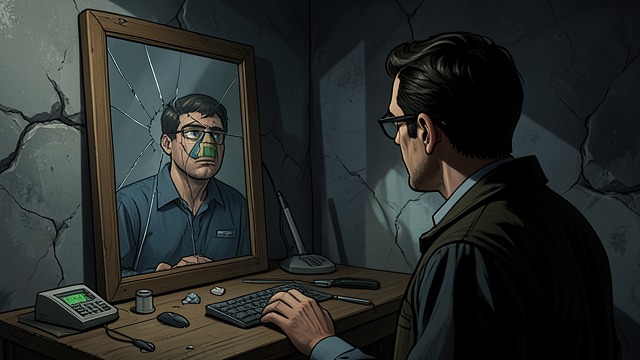
A Self That Continues
The question of replacement
Evan wonders whether each new life replaces or continues a person who has died. His prison reflections turn the body’s ending into a question about identity and survival.
Continuity brings responsibility
If the same self returns, past actions remain relevant rather than disappearing with the body. Memory prevents Evan from treating a later incarnation as unrelated to earlier choices.
Survival without comfort
The idea of returning offers no guarantee of happiness or justice. It establishes continuity, but leaves the individual responsible for facing what that continuity contains.
At the beginning of Evan’s account in Los Angeles
When Poppy explains her plaques
Poppy’s account of childhood between lives
During Samas’s explanation of reincarnation
Near the end of Evan’s prison manuscript
